

K. Caro
From Mayflower to Marshmallows
Inheriting the Feast — and the Responsibility
On this page, you’ll find lesson plans to share with your students, children, or whoever gathers around your table. Take advantage of them. Use this moment to deepen your understanding of what Thanksgiving actually means—the true story behind it—and how its lessons still shape our lives today.
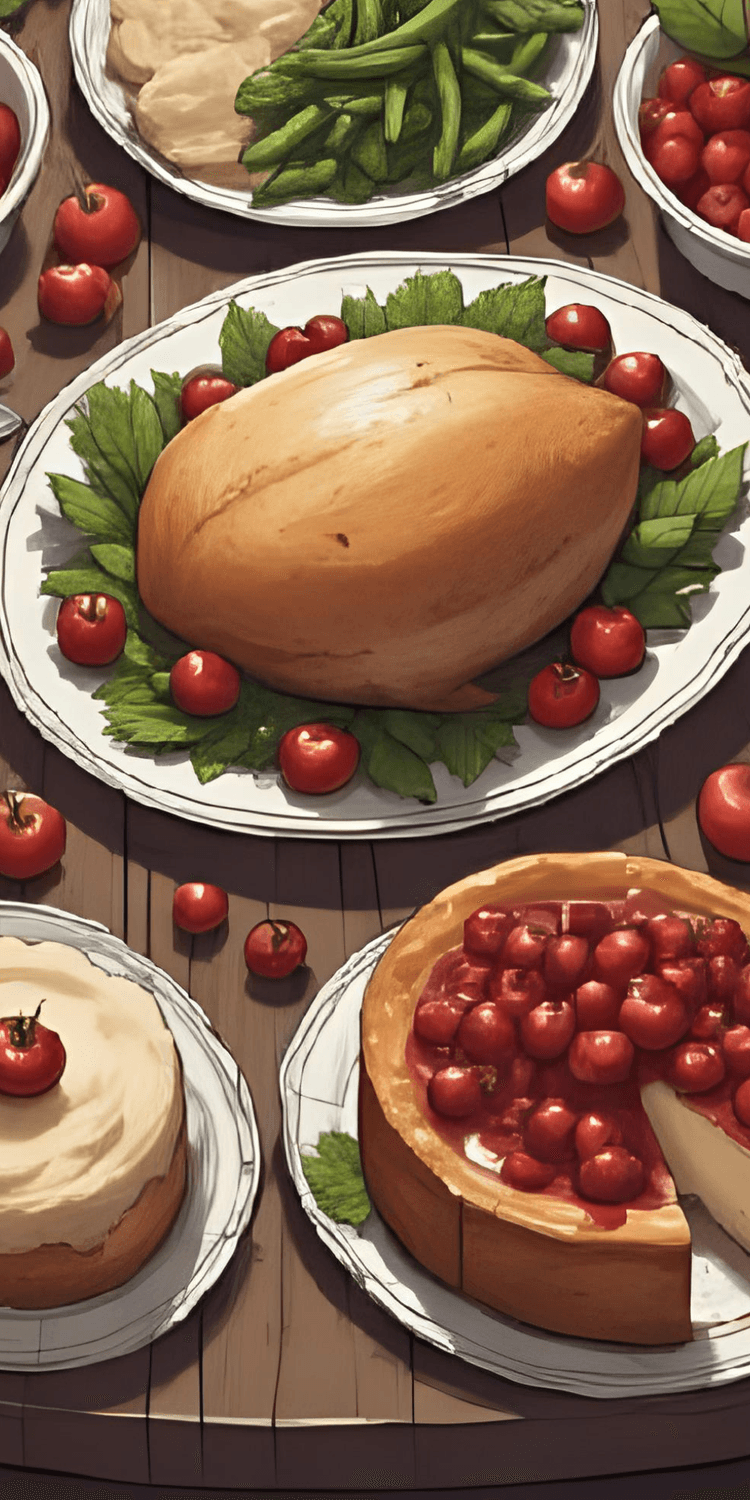
What’s landing on your Thanksgiving table this year—turkey, mashed potatoes, pumpkin pie, Nana’s cheesecake, cranberry sauce? YUM. But have you ever stopped mid-mash-scoop to wonder where any of it actually comes from, or why we even have this tradition?
We’ve sprinted so far from hunting and gathering that most of us now rely on food shipped from thousands of miles away. Our great-grandparents would probably blink twice—then ask why we stopped growing anything ourselves.
Meanwhile, 40 million Americans depend on SNAP, and those benefits never feel secure. With Thanksgiving around the corner, the pressure is real. And it pushes us into an uncomfortable question: who deserves food support—immigrants, veterans, disabled neighbors? And who gets to decide—policy, prejudice, or plain compassion?
That tension isn’t new.
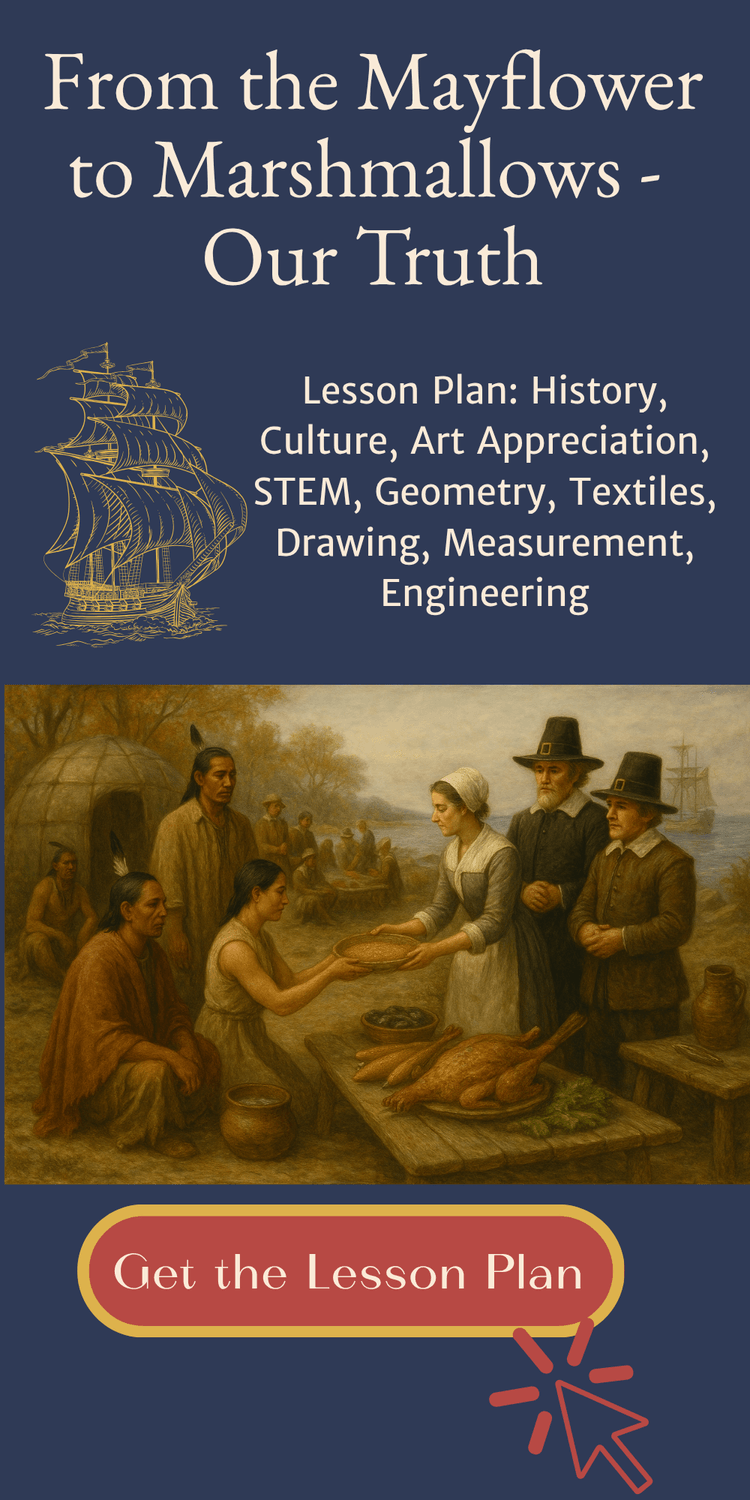
When the Pilgrims staggered onto Cape Cod 405 years ago, they were hungry, lost, and wildly out of place. They had different skin color, languages, and belief systems.
The Wampanoag helped them anyway, because survival requires a little bit of courage and a lot of humanity.
My own family has leaned on that kind of help, too. My mom was a single 23-year-old with a baby on her hip and food stamps in her pocket. If “we are what we eat,” I’m approximately 90% boxed mac and cheese.
My grandparents scraped by on powdered milk and meat rations in the 1950s. My grandfather—an Army medic with more trauma than coping skills—cashed his paycheck at the bar and drank it away before he ever got home. Meanwhile, my grandmother worked three jobs and raised thirteen kids. Thirteen. A full baker’s dozen. The last two were twins; God has a good sense of humor.
Before all that, my great-grandfather came through Ellis Island with little more than a name, a destination, and the hope that strangers along the way would share what they had.
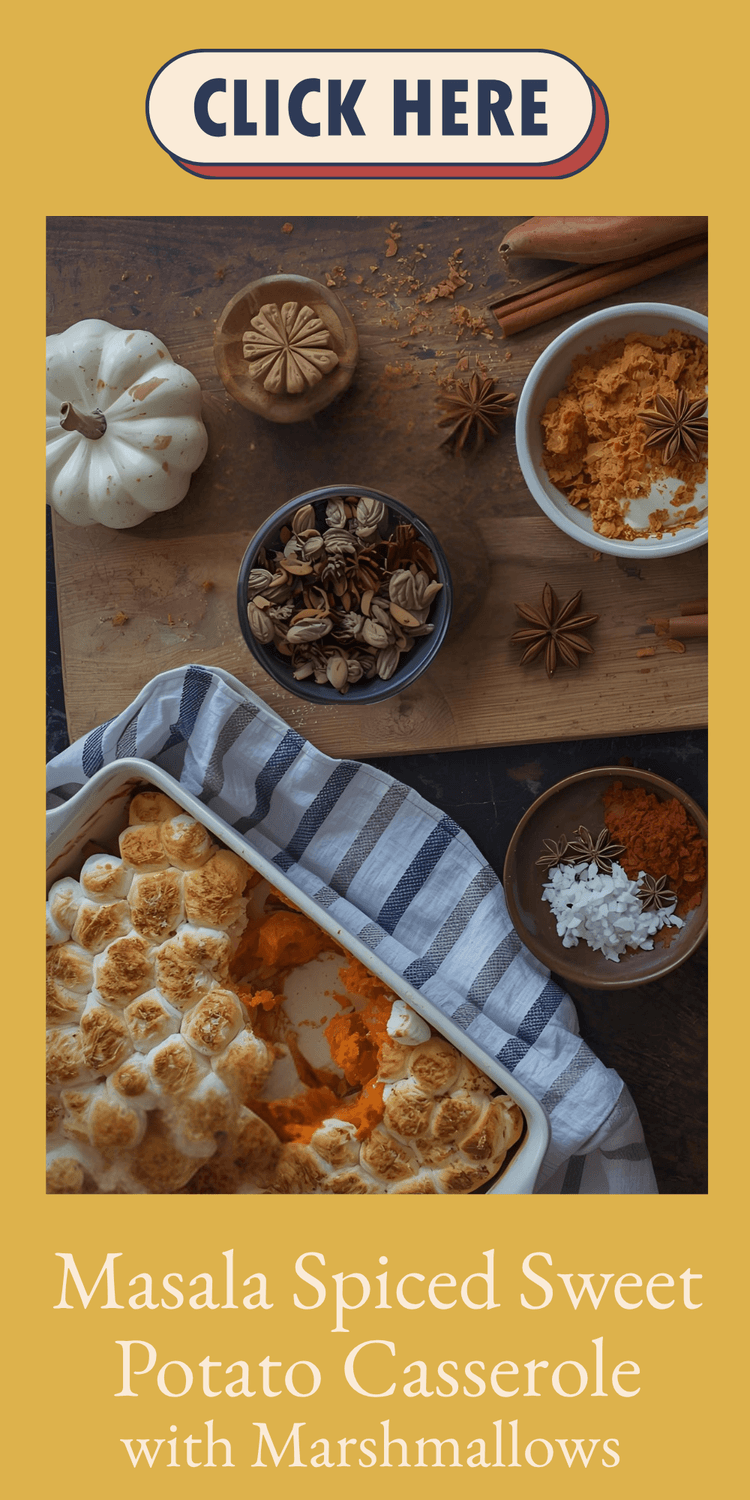
Fast-forward to now. Our family—German, Irish, Pakistani-American by way of every spice cabinet—tries to fold all the foods and all the blessings into Thanksgiving.
Our turkey isn’t bagged by Uncle Rog in the back forty; it arrives from the local supermarket with a bonus ham, feathers long gone. A few ingredients are local (hello, Wisconsin cranberries), but most travel farther than our kids ever have.
So somewhere between your mother-in-law opening the oven and your nephew launching into “Happy Birthday, Mr. Turkey,” it lands on you: you’ve celebrated 46 Thanksgivings and still have no idea whether your Ancestry-plus-AI tale of Mayflower roots is gospel truth… or gravy-thick fiction.
Am I really a Mayflower descendant?
So you start asking real questions: How many actually sailed? How many lived long enough to leave descendants? And what about the people who were already here?
Which leads to the bigger question: Who are we in this wildly diverse, beautifully tangled nation?
The Wampanoag, who once sustained fragile newcomers, remain a living, resilient people today:
“People of the First Light,” once 40,000 strong across 67 villages;
Two federally recognized tribes: Mashpee and Aquinnah;
A revived language now spoken and taught to children;
Leadership in stewardship, culture, and education;
Traditions of Three Sisters agriculture, coastal life, and seasonal rhythms.
In 1620, they helped strangers survive. It changed everything.
And here in 2025—who are we? Not just descendants of a shipload of English Separatists, but a tapestry woven from countless places and peoples.
Thanksgiving, at its best, reminds us that none of us got here alone.
In our own multicultural home—where some ancestors floated over on the Mayflower and others flew in on Pakistan International Airways circa 1965 —we try to honor all those journeys. Peel back the layers and the stories rhyme: a longing for freedom, opportunity, safety, dignity.
So this year, be the Wampanoag in someone else’s story.
Support a food pantry. Feed a neighbor. Help without checking which box they fit into.
A nation doesn’t endure by guarding its bounty, but by sharing it.
Subscribe to be inspired by tales of heritage, hope, and belonging. Join the journey:
Follow K. Caro,
Be inspired.



Created with ©systeme.io